Meet the Inventor: Mark Golez
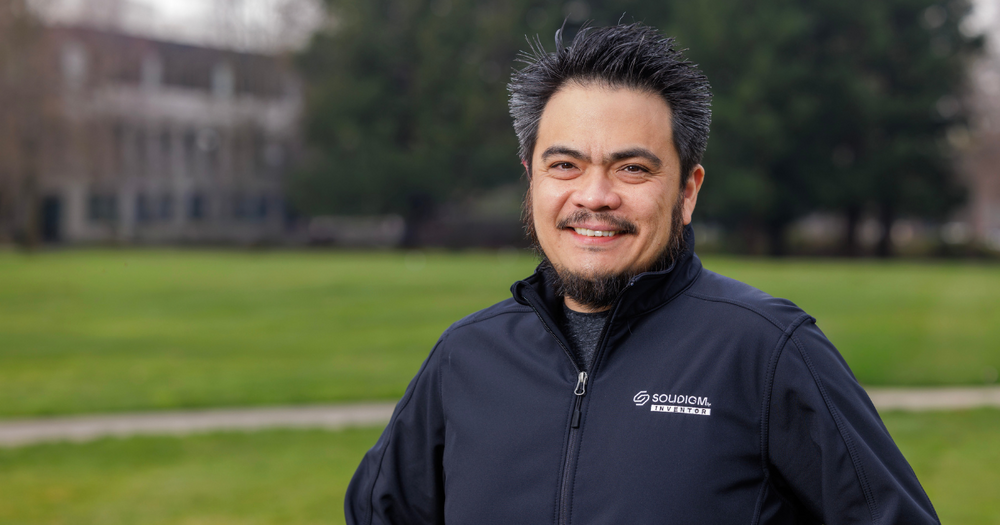
When it comes to inventiveness, Mark Golez sets a remarkably high bar.
Role: Senior Staff Software Engineer at Solidigm
Focus: DCE Performance & Quality of Service (QoS)
Mark's growing patent portfolio spans a dozen granted patents and 70 pending patent applications worldwide.
Mark’s innovations are redefining what performance means for next-generation storage. A singular objective drives his work: achieving maximum engineering efficiency alongside best-in-class performance quality and service (PQ). In storage, those two challenges are inseparable, and given the scale and complexity of the PQ domain, they are often immense. For Mark, that complexity is precisely what motivates him.
He sees constant opportunity to innovate across firmware, tools, and development processes, while remaining realistic about the need for speed. He recognizes that innovation only matters if it ships, and execution must keep pace with ambition to maintain competitiveness, capture market share, and remain a trusted partner to customers.
AI has become key to Mark’s efforts and those of his team. As an example, Mark’s team developed an AI-based optimizer that improved read QoS and increased mixed IOPs in key customer workloads, while significantly reducing the time required to deliver those gains.
AI now adds value across nearly every aspect of the team’s work, enabling faster learning, smarter builds, and solutions designed to meet the real-world demands of AI-driven applications.
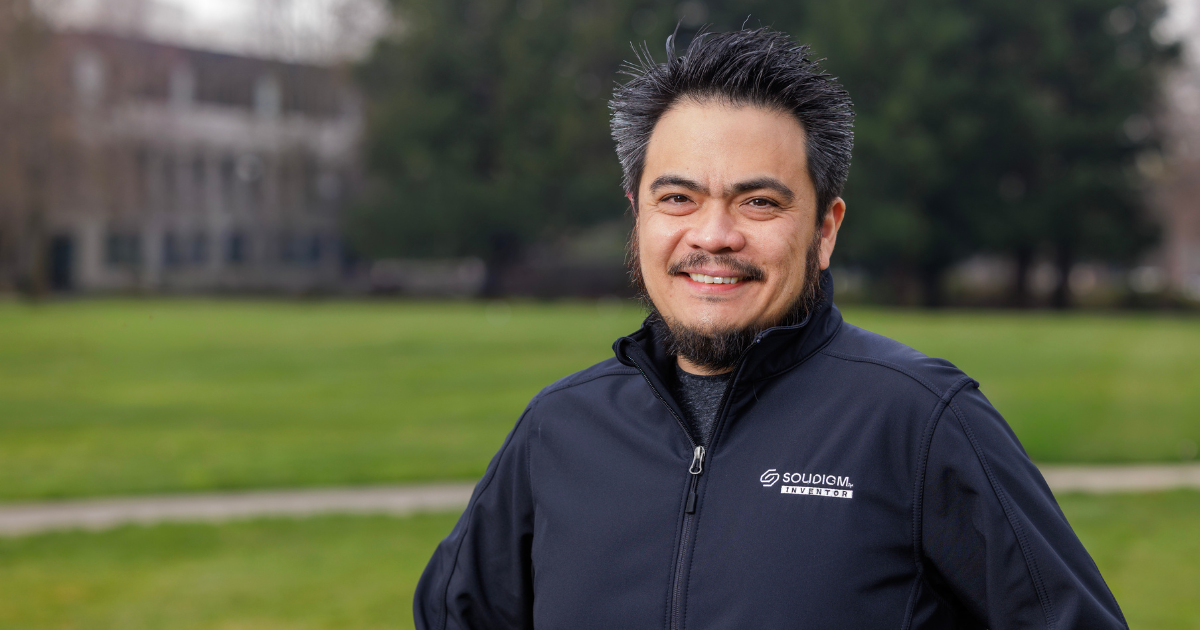
Mark Golez, Senior Staff Engineer at Solidigm
Mark shared that he believes in taking calculated risks and challenging conventional approaches, particularly when traditional methods slow progress.
Collaboration is central to that success. Mark sees leadership and empowerment as two sides of the same coin, and he intentionally creates space for cross-functional innovation. Through internal innovation forums, engineers across disciplines and experience levels come together to develop new AI capabilities that strengthen SSD performance quality. The results include measurable PQ improvements and more efficient execution, while also giving engineers the opportunity to experiment, upskill, and grow in ways that directly benefit the business.
Mark recognizes that what often holds people back is not lack of skill, but fear of failure, fear of risk, and fear of uncertainty. “Innovation involves ambiguity. It’s leaders’ responsibility to remove barriers and create an environment where teams feel safe to explore, experiment, and make mistakes,” he shared. When missteps happen, they are treated as learning opportunities rather than liabilities, building confidence and encouraging people to push boundaries.
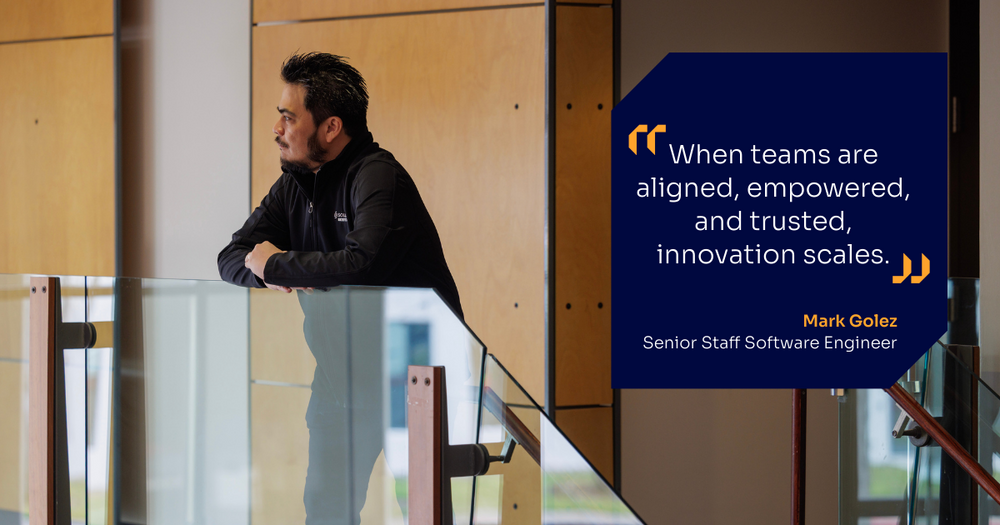
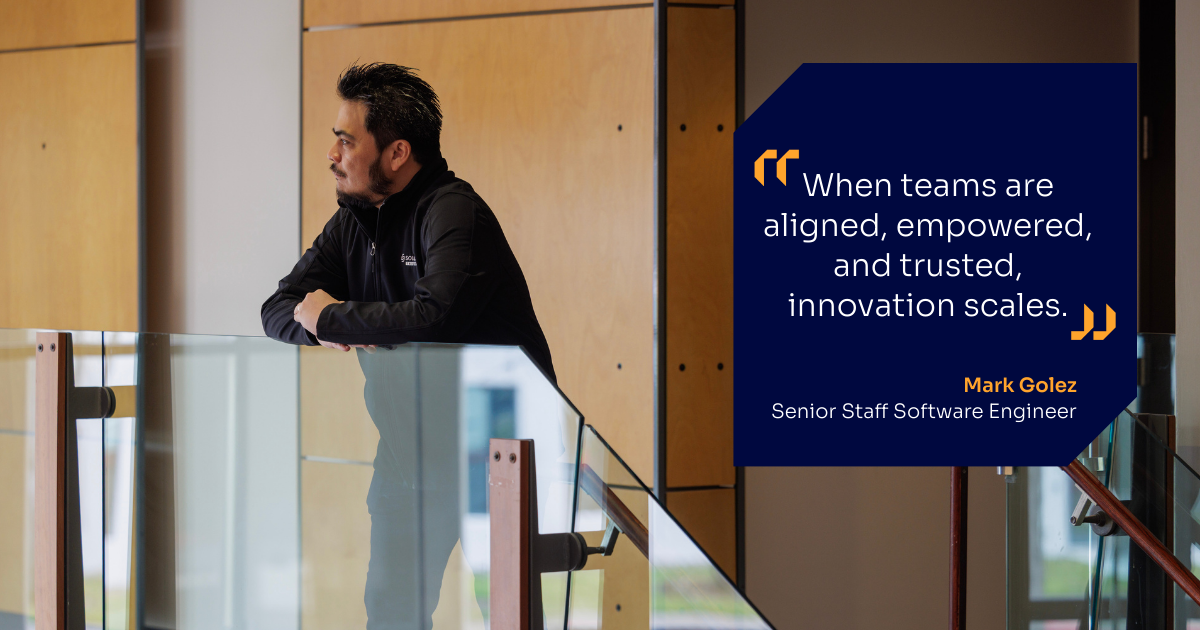
What began as small, exploratory AI efforts evolved into recognized wins, including awards at Solidigm’s AI Demo Days. Today, those AI capabilities are being embedded internally and shared with the broader industry through conference presentations. For Mark, it reinforces his belief that, “When teams are aligned, empowered, and trusted, innovation scales.”